 Choosing the right engineering college is a crucial decision for students who want to build a strong career in the technical field. India offers a wide range of engineering institutes, from prestigious government colleges to well-established private institutions.
If you are searching for a list of best engineering colleges in India, this guide will help you understand the top options, their advantages, and how to select the right one for your future.
Top Government Engineering Colleges in India
Government colleges are known for their academic excellence, experienced faculty, and affordable fee structure. Some of the best government engineering colleges include:
- Indian Institutes of Technology (IITs)
- National Institutes of Technology (NITs)
- Indian Institutes of Information Technology (IIITs)
- Delhi Technological University (DTU)
- Netaji Subhas University of Technology (NSUT)
These institutes are highly competitive and require strong performance in entrance exams like JEE Main and JEE Advanced.
Top Private Engineering Colleges in India
Private engineering colleges have also gained recognition for their modern infrastructure and industry-focused curriculum. Some of the well-known private institutes include:
- BITS Pilani
- VIT Vellore
- SRM Institute of Science and Technology
- Manipal Institute of Technology
These colleges often provide better facilities, global exposure, and strong industry collaborations.
Engineering Colleges in Delhi NCR
Delhi NCR is one of the most preferred regions for engineering education due to its proximity to major corporate hubs. Students can explore a mix of government and private institutions in this region.
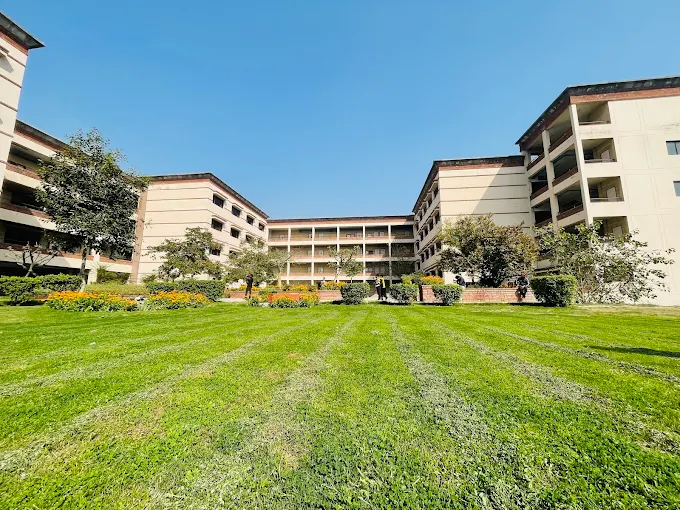
If you are looking for a reliable option in Delhi NCR, you can consider Echelon Institute of Technology . The institute focuses on practical learning, industry exposure, and skill development, helping students prepare for real-world challenges.
Popular Engineering Courses Offered
Engineering colleges in India offer a variety of undergraduate and postgraduate programs:
- B.Tech (Bachelor of Technology)
- M.Tech (Master of Technology)
- Diploma in Engineering
Popular specializations include:
- Computer Science and Engineering
- Mechanical Engineering
- Civil Engineering
- Electronics and Communication Engineering
- Artificial Intelligence and Data Science
Choosing the right specialization is important for career growth.
Admission Process
The admission process for engineering colleges in India generally includes:
For B.Tech:
- Entrance exams such as JEE Main
- Counseling and seat allocation
For M.Tech:
- GATE score-based admission
- Direct admission in some private colleges
Students should stay updated with exam dates and admission deadlines.
Fee Structure
The fee structure varies depending on the type of college:
- Government colleges have lower and more affordable fees
- Private colleges may have higher fees but offer advanced facilities
Students should also explore scholarship and financial aid options.
Placement Opportunities
The best engineering colleges in India provide strong placement support. Students can expect:
- Campus recruitment drives
- Internship opportunities
- Industry tie-ups
- Skill development programs
Top recruiters include IT companies, core engineering firms, and multinational corporations.
How to Choose the Best Engineering College
Before finalizing your decision, consider the following:
- Accreditation and ranking
- Faculty quality
- Placement records
- Infrastructure and labs
- Internship opportunities
Researching and comparing colleges will help you make an informed decision.
Conclusion
India offers a wide range of engineering colleges that cater to different academic and career goals. From top government institutes to reputed private colleges, students have multiple options to choose from.
If you are planning your engineering journey, make sure to evaluate all factors carefully and select a college that aligns with your future aspirations. Institutions like Echelon Institute of Technology also provide a balanced approach with practical learning and industry-oriented education.
