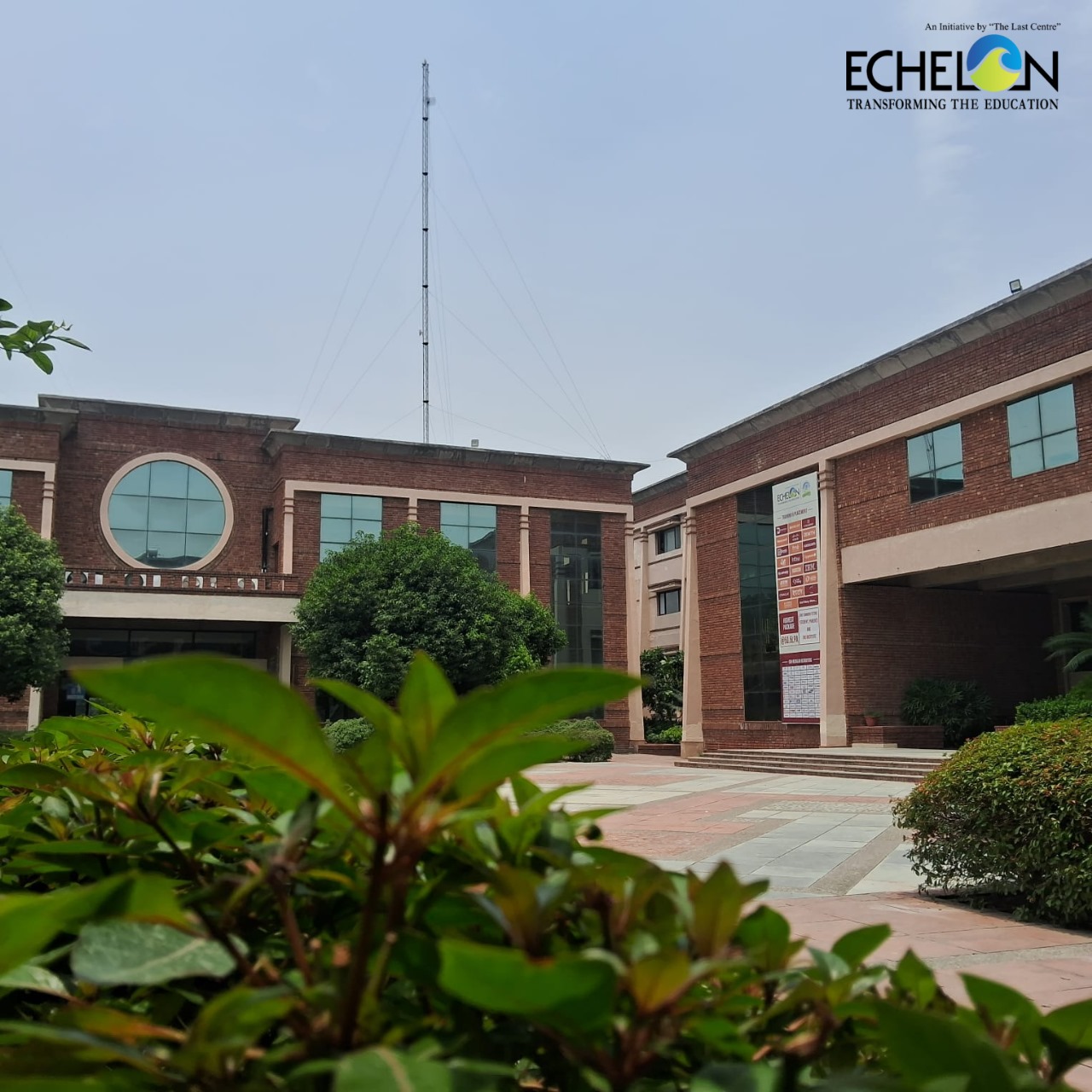
 Delhi and the wider Delhi NCR region are among the preferred destinations for students pursuing engineering and technology education. With access to a strong academic ecosystem, industries, startups, and corporate opportunities, the region offers students several options for building a career in engineering.
For students searching for the best private engineering colleges in Delhi, the decision should not be based only on rankings or college reputation. Factors such as engineering specialisations, curriculum, faculty, infrastructure, practical learning, internships, industry exposure, and career preparation are equally important.
For students exploring engineering education in Delhi NCR, Echelon Institute of Technology in Faridabad is one institution that can be considered.
Why Choose a Private Engineering College in Delhi NCR?
Private engineering colleges can provide students with a combination of academic education and practical exposure. Depending on the institution, students may have access to modern laboratories, technical workshops, project-based learning, internships, and career development activities.
Some potential advantages include:
- Practical and application-oriented education
- Technical laboratories and facilities
- Industry interaction
- Internship opportunities
- Project-based learning
- Technical workshops and seminars
- Professional skill development
- Career and placement preparation
- Student clubs and extracurricular activities
Students should evaluate each institution individually to understand the facilities and opportunities available.
What Makes a Private Engineering College a Good Choice?
The best private engineering college in Delhi can be different for every student. Your choice should depend on your preferred engineering branch, career goals, academic requirements, budget, and learning preferences.
1. Engineering Specialisations
Students should first identify the B.Tech branch they want to pursue.
Popular specialisations include:
- Computer Science and Engineering
- Artificial Intelligence and Machine Learning
- Data Science
- Electronics and Communication Engineering
- Mechanical Engineering
- Civil Engineering
Students should check the latest availability of their preferred program before applying.
2. Curriculum and Teaching
A strong engineering curriculum should combine theoretical knowledge with practical application.
Students should look for opportunities involving:
- Laboratory work
- Technical assignments
- Projects
- Presentations
- Problem-solving activities
- Emerging technology learning
3. Faculty and Mentorship
Faculty members play an important role in helping students understand engineering concepts and develop technical skills.
Good academic mentorship can also support students during projects, internships, competitions, and career preparation.
4. Infrastructure
Engineering students require access to suitable learning facilities.
Important facilities can include:
- Computer laboratories
- Engineering laboratories
- Workshops
- Libraries
- Classrooms
- Project and innovation spaces
- Technical learning facilities
Echelon Institute of Technology for Engineering Education
Echelon Institute of Technology is located in Faridabad, Haryana, within the Delhi NCR region.
For students searching for the best private engineering colleges in Delhi NCR, the institute can be explored as an engineering education option.
The academic environment focuses on technical education, practical learning, project work, professional development, and career preparation.
Its Faridabad location also gives students access to the broader Delhi NCR educational and professional ecosystem.
Popular Engineering Branches
Computer Science and Engineering
Computer Science Engineering is suitable for students interested in software development, programming, databases, applications, and information technology.
Students can develop knowledge of programming, data structures, algorithms, computer networks, operating systems, and software development.
Artificial Intelligence and Machine Learning
AI and ML are increasingly being used across technology, healthcare, finance, manufacturing, retail, and other sectors.
Students interested in intelligent systems, automation, machine learning, and data-driven applications can explore this area.
Data Science
Data Science combines programming, statistics, mathematics, and data analysis.
Students can develop skills related to data processing, analytics, visualisation, and predictive modelling.
Electronics and Communication Engineering
ECE covers electronics, communication systems, circuits, embedded systems, and related technologies.
The field provides a foundation for careers involving electronics, telecommunications, embedded systems, and other technical applications.
Mechanical Engineering
Mechanical Engineering covers machines, manufacturing, materials, design, thermodynamics, and production systems.
Technologies such as automation, robotics, smart manufacturing, and Industry 4.0 are also creating new applications in this field.
Civil Engineering
Civil Engineering focuses on infrastructure and construction, including buildings, roads, bridges, transportation systems, and development projects.
Students can explore career paths in construction, infrastructure, design, planning, and project management.
Importance of Practical Learning
Engineering education becomes more valuable when students can apply theoretical concepts to practical situations.
Students can gain practical exposure through:
- Laboratory experiments
- Technical projects
- Coding assignments
- Engineering workshops
- Industrial visits
- Internships
- Technical competitions
- Project exhibitions
- Innovation activities
Practical learning can help students improve problem-solving abilities and understand how engineering concepts are used in professional environments.
Internships and Industry Exposure
Internships can help engineering students gain valuable professional experience before graduation.
During an internship, students can:
- Apply classroom knowledge
- Develop technical skills
- Understand workplace practices
- Improve communication
- Learn teamwork
- Build professional connections
- Strengthen their resume
Students should start exploring relevant internships based on their engineering branch and career interests.
Career and Placement Preparation
Career preparation should be an important consideration when choosing a private engineering college.
Students can look for support in:
- Aptitude preparation
- Coding practice
- Technical interview preparation
- Resume development
- Communication training
- Mock interviews
- Internship guidance
- Career counselling
- Industry interaction
Students should also take an active role in building technical skills, certifications, projects, and professional portfolios.
Skills Engineering Students Should Develop
A B.Tech degree provides an academic foundation, but additional skills can improve career readiness.
Technical Skills
Depending on their specialisation, students can develop:
- Programming
- Data structures and algorithms
- Database management
- Web development
- Data analytics
- Artificial intelligence
- Cloud computing
- CAD and design
- Embedded systems
Professional Skills
Students should also develop:
- Communication
- Problem-solving
- Critical thinking
- Teamwork
- Leadership
- Presentation
- Time management
These skills can help students perform better in internships, interviews, projects, and professional environments.
Campus Life and Student Development
Engineering college life is not limited to academic classes.
Students can participate in:
- Technical clubs
- Coding competitions
- Hackathons
- Technical workshops
- Project exhibitions
- Seminars
- Sports
- Cultural activities
- Student events
These activities can help students develop confidence, leadership, teamwork, communication, and organisational skills.
How to Choose the Best Private Engineering College in Delhi
Students can use the following checklist before making their decision.
Step 1: Choose Your Engineering Branch
Identify the area that matches your interests and long-term career goals.
Step 2: Research the College
Review the available programs, curriculum, location, infrastructure, faculty, and academic environment.
Step 3: Verify Recognition and Affiliation
Check the latest official information for the specific engineering program and academic session.
Step 4: Evaluate Infrastructure
Look at laboratories, computer facilities, workshops, libraries, classrooms, and other learning resources.
Step 5: Check Practical Exposure
Review projects, internships, industrial visits, workshops, technical competitions, and industry interaction.
Step 6: Evaluate Career Support
Understand the college’s approach to placement preparation, internships, career counselling, and interview training.
Step 7: Compare Fees and Location
Consider tuition fees, transportation, accommodation, and other expenses.
Step 8: Visit the Campus
A campus visit can help you understand the facilities and overall learning environment before taking admission.
Why Consider Echelon Institute of Technology?
For students exploring the best private engineering colleges in Delhi NCR, Echelon Institute of Technology can be considered based on its location in Faridabad and focus on technical education.
Students can explore the institute based on:
- Engineering-focused education
- Practical learning opportunities
- Technical laboratories
- Project-based learning
- Technical activities
- Internship and career preparation
- Faculty guidance
- Professional skill development
- Campus-based student activities
Students should review the latest official information regarding B.Tech programs, eligibility, admissions, fees, facilities, and other requirements before applying.
Conclusion
Choosing among the best private engineering colleges in Delhi requires students to consider more than rankings. A suitable college should provide the right engineering specialisation, academic foundation, practical exposure, infrastructure, internships, industry interaction, and career preparation.
Students interested in engineering education in Delhi NCR can explore Echelon Institute of Technology in Faridabad as one of their options.
The best choice ultimately depends on your preferred engineering branch, career goals, academic requirements, budget, and learning preferences.
FAQs
1. What should I consider when choosing a private engineering college in Delhi?
Consider the engineering branch, curriculum, faculty, infrastructure, laboratories, practical learning, internships, industry exposure, career support, fees, and location.
2. Which B.Tech branches are popular?
Computer Science Engineering, Artificial Intelligence and Machine Learning, Data Science, Electronics and Communication Engineering, Mechanical Engineering, and Civil Engineering are popular options.
3. Is Delhi NCR a good region for engineering education?
Delhi NCR provides access to educational institutions, industries, companies, startups, internships, and professional opportunities.
4. Are internships important for engineering students?
Yes. Internships allow students to gain practical experience, apply academic knowledge, develop professional skills, and understand workplace expectations.
5. What skills should engineering students develop?
Students should develop technical skills related to their branch along with communication, problem-solving, teamwork, critical thinking, leadership, and presentation skills.
