 One of the most common questions among engineering aspirants is, “Can students from Tier 2 colleges get jobs in top multinational companies (MNCs)?” The answer is yes—provided students build the right skills, gain practical experience, and make the most of the opportunities available to them.
Today’s hiring landscape has changed significantly. While college reputation can influence the initial stages of recruitment, leading companies increasingly evaluate candidates based on their technical expertise, problem-solving ability, communication skills, internships, certifications, and project experience.
If you’re planning to study at a Tier 2 engineering college, this guide explains how it can still become the foundation of a successful career in top MNCs.
What Is a Tier 2 Engineering College?
Engineering colleges in India are often informally grouped into Tier 1, Tier 2, and Tier 3 based on factors such as academic reputation, research output, placements, industry exposure, and alumni network. These are not official government classifications but are commonly used by students and employers for comparison.
Tier 2 colleges generally offer:
- Recognized university affiliations
- Quality academic programs
- Modern infrastructure
- Industry-oriented curriculum
- Placement support
- Practical learning opportunities
Many GGSIPU-affiliated institutions fall into this category and focus on preparing students for industry careers.
Do Top MNCs Hire from Tier 2 Colleges?
Yes. Many multinational companies recruit from Tier 2 colleges every year.
Technology companies, consulting firms, manufacturing organizations, and startups hire students based on:
- Technical knowledge
- Coding ability
- Academic consistency
- Internship experience
- Communication skills
- Problem-solving capability
- Adaptability
Recruiters increasingly value candidates who can demonstrate practical skills rather than relying only on the brand name of their college.
Why Skills Matter More Than College Tier
The technology industry has shifted toward skill-based hiring.
Employers often assess candidates through:
- Online coding assessments
- Technical interviews
- Case studies
- Aptitude tests
- Problem-solving exercises
- Project discussions
Students who consistently improve their skills can compete effectively regardless of whether they study in a Tier 1 or Tier 2 institution.
Advantages of Studying at a Tier 2 College
1. Smaller Class Sizes
Many Tier 2 colleges offer more personalized interaction with faculty members, allowing students to receive better academic guidance and mentoring.
2. Greater Leadership Opportunities
Students often have more opportunities to become:
- Club coordinators
- Event organizers
- Technical team leaders
- Innovation ambassadors
These experiences help develop leadership and communication skills.
3. Practical Learning
Many Tier 2 colleges emphasize:
- Live projects
- Laboratory work
- Industrial visits
- Workshops
- Hackathons
- Technical competitions
Hands-on experience strengthens technical understanding and employability.
4. Industry Exposure
Good Tier 2 colleges regularly organize:
- Expert lectures
- Internship programs
- Industry collaborations
- Certification workshops
- Career development sessions
Such initiatives help students understand real-world industry expectations.
What Do Top MNCs Look for?
Companies evaluate candidates on multiple parameters.
Technical Skills
Recruiters expect strong knowledge of:
- Programming languages
- Data Structures and Algorithms
- Database Management
- Operating Systems
- Networking
- Artificial Intelligence
- Cloud Computing
- Cybersecurity
Practical Experience
Students with practical exposure through internships, projects, or open-source contributions often have an advantage during recruitment.
Communication Skills
Clear communication, teamwork, and presentation skills are essential for success in interviews and professional environments.
Problem-Solving Ability
Employers prefer candidates who can analyze situations, think critically, and develop effective solutions.
Continuous Learning
Students who earn industry certifications, participate in hackathons, and keep learning new technologies demonstrate adaptability and initiative.
How Tier 2 College Students Can Improve Their Chances
Students can significantly improve their career prospects by focusing on the following:
Build Strong Technical Skills
Master programming languages such as:
- Python
- Java
- C++
- JavaScript
Learn frameworks and tools relevant to your career path.
Participate in Internships
Internships provide:
- Industry exposure
- Professional experience
- Networking opportunities
- Practical problem-solving skills
Many students secure full-time roles through internship performance.
Work on Real Projects
Build projects in areas like:
- Artificial Intelligence
- Machine Learning
- Data Science
- Web Development
- Mobile App Development
- Cloud Computing
Projects showcase your skills during interviews.
Earn Industry Certifications
Certifications in cloud platforms, programming, cybersecurity, and analytics can strengthen your resume.
Improve Communication Skills
Technical expertise combined with strong communication often makes candidates stand out during recruitment.
Why College Environment Still Matters
Although skills are essential, the college environment plays an important role in helping students develop them.
Students should look for colleges that provide:
- Industry-oriented curriculum
- Internship opportunities
- Coding culture
- Technical clubs
- Innovation centers
- Placement training
- Career guidance
A supportive academic environment helps students prepare for professional success.
Why Choose Echelon Institute of Technology?
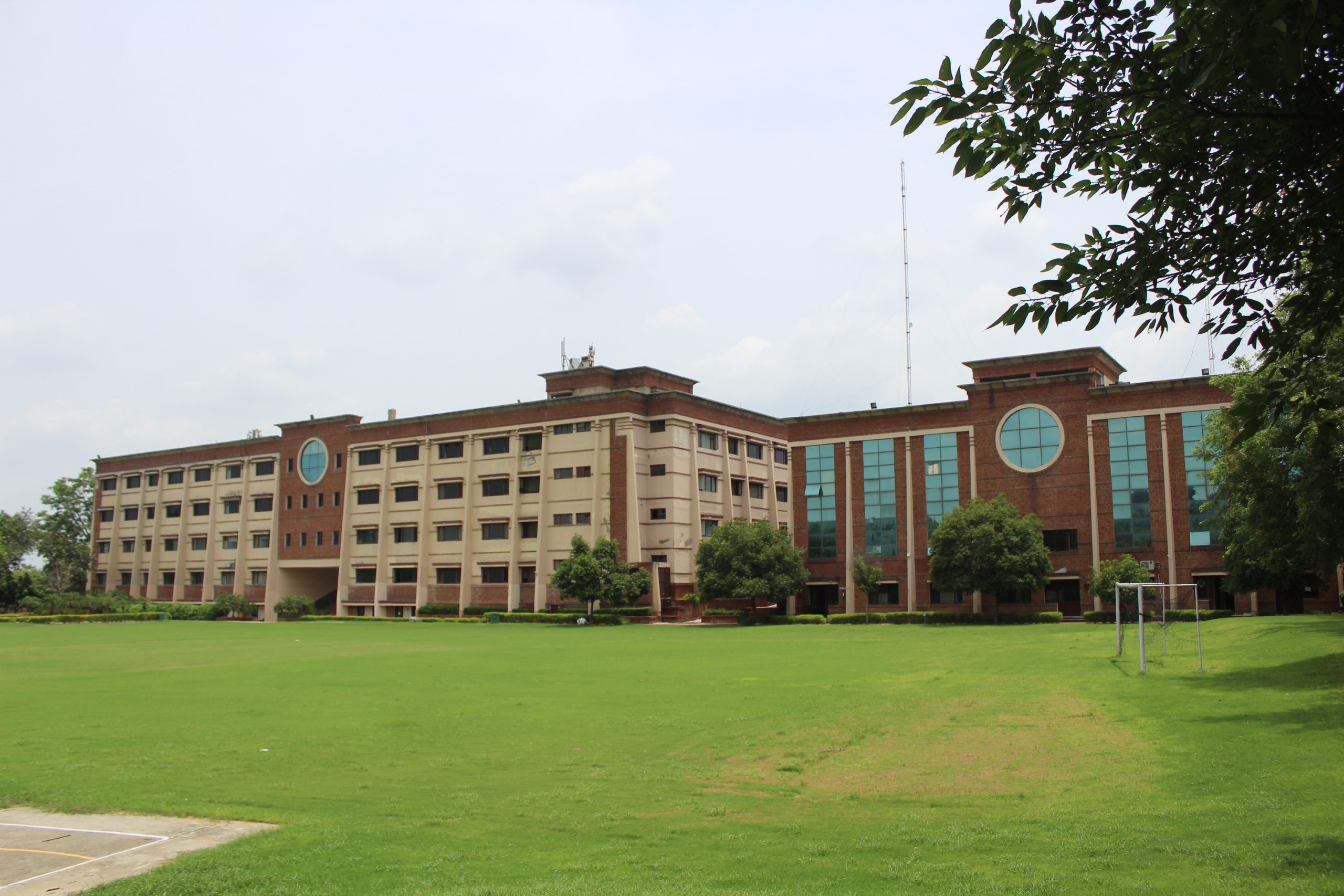
For students looking for a GGSIPU-affiliated institution that emphasizes employability, Echelon Institute of Technology focuses on helping students develop both technical expertise and professional skills.
The institute offers:
Industry-Oriented Learning
Programs designed to align with current industry trends.
Practical Exposure
Students participate in:
- Live projects
- Technical workshops
- Industrial visits
- Coding competitions
- Internship opportunities
Skill Development
Training focuses on:
- Technical knowledge
- Communication
- Aptitude preparation
- Interview skills
- Leadership
Placement Support
Career guidance, mock interviews, resume-building sessions, and placement assistance help students prepare for recruitment processes.
Success Depends on Continuous Learning
Regardless of college tier, students who consistently improve themselves have a strong chance of succeeding.
Focus on:
- Academic performance
- Technical skills
- Projects
- Certifications
- Internships
- Communication
- Networking
These factors often have a greater impact on career growth than college tier alone.
Conclusion
Yes, Tier 2 colleges can absolutely help students get into top MNCs. While the college provides the platform, long-term success depends on how students use the opportunities available to them.
By building technical expertise, participating in internships, developing communication skills, and gaining practical experience, students from Tier 2 colleges regularly secure positions in leading organizations.
For students seeking a GGSIPU-affiliated institution with a focus on practical learning, industry exposure, and career development, Echelon Institute of Technology provides an environment that supports both academic excellence and professional growth.
