 In today’s rapidly evolving technological landscape, students need more than classroom knowledge to succeed. Employers increasingly seek graduates who can apply concepts to real-world challenges, work with modern technologies, and solve complex problems. This is where Experiential Learning Labs play a vital role in bridging the gap between theory and practical application.
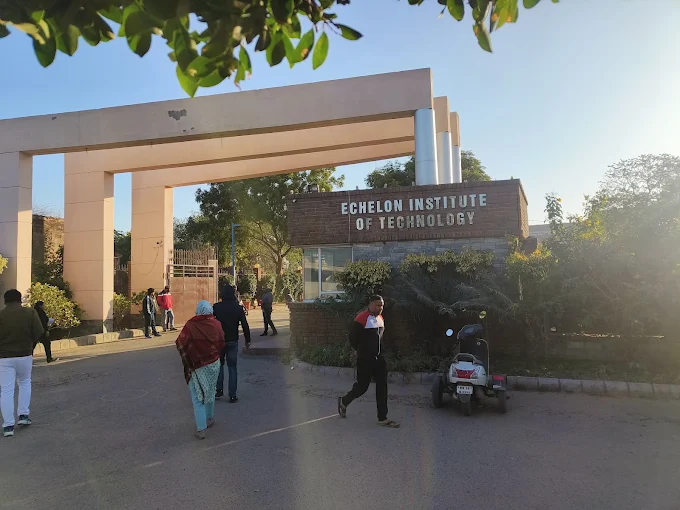
Experiential Learning Labs provide students with opportunities to learn by doing. Through hands-on projects, simulations, experiments, industry-based assignments, and collaborative activities, students gain practical experience that prepares them for professional careers. Institutions such as Echelon Institute of Technology, Faridabad emphasize experiential learning to help students develop industry-ready skills and technical confidence.
What are Experiential Learning Labs?
Experiential Learning Labs are specialized learning environments where students engage in practical activities designed to reinforce classroom concepts.
Instead of simply studying theories, students actively participate in:
- Real-world projects
- Industry simulations
- Technology-based experiments
- Problem-solving exercises
- Innovation challenges
- Collaborative team activities
This learning approach helps students understand concepts more effectively and apply them in practical situations.
Why Experiential Learning is Important
Traditional education provides theoretical knowledge, but experiential learning helps students understand how those concepts work in real-life scenarios.
Key benefits include:
- Better concept retention
- Improved critical thinking skills
- Enhanced problem-solving abilities
- Greater technical confidence
- Increased industry readiness
- Stronger teamwork and communication skills
Students who learn through practical experiences often perform better in professional environments.
Components of Experiential Learning Labs
Modern experiential learning environments may include various specialized labs and facilities.
Artificial Intelligence and Machine Learning Labs
Students work on:
- Machine learning models
- Data analytics projects
- AI applications
- Predictive algorithms
Cloud Computing Labs
Students gain practical exposure to:
- Virtual machines
- Cloud deployment
- Cloud security
- Infrastructure management
Cyber Security Labs
Students learn:
- Ethical hacking
- Network security
- Threat detection
- Digital forensics
Cisco and Networking Labs
Students gain hands-on experience with:
- Routing and switching
- Network configuration
- Communication protocols
- Enterprise networking
Software Development Labs
Students build:
- Web applications
- Mobile applications
- Software solutions
- Database systems
Benefits of Experiential Learning Labs for Students
Practical Skill Development
Students learn how to apply classroom concepts in real-world situations.
Industry Exposure
Projects and simulations often reflect actual industry challenges and requirements.
Improved Employability
Employers value graduates who possess practical experience alongside academic knowledge.
Innovation and Creativity
Students are encouraged to think creatively and develop innovative solutions.
Confidence Building
Hands-on learning helps students become more confident in their technical and professional abilities.
Role of Experiential Learning in Engineering Education
Engineering education requires both theoretical understanding and practical application.
Experiential learning helps students:
- Design and test solutions
- Analyze real-world problems
- Develop technical expertise
- Work on multidisciplinary projects
- Understand industry expectations
This approach prepares students to contribute effectively from the beginning of their professional careers.
Career Advantages of Experiential Learning
Students who participate in experiential learning activities often gain advantages such as:
- Better internship opportunities
- Stronger placement performance
- Enhanced project portfolios
- Improved communication skills
- Greater adaptability in the workplace
These experiences make graduates more competitive in today’s job market.
Why Echelon Institute of Technology, Faridabad Focuses on Experiential Learning
For students seeking an education that combines academic excellence with practical exposure, Echelon Institute of Technology, Faridabad promotes experiential learning through modern infrastructure and industry-oriented programs.
The institute emphasizes:
- Project-based learning
- Advanced technical laboratories
- Industry-focused curriculum
- Technical workshops and seminars
- Innovation and research activities
- Skill development programs
Students are encouraged to participate in practical projects, technical competitions, industry interactions, and hands-on learning activities that enhance their professional development.
Choosing a College with Strong Experiential Learning Opportunities
Before selecting a college, students should evaluate:
- Availability of advanced laboratories
- Project-based learning opportunities
- Industry partnerships
- Internship support
- Technical workshops and events
- Research and innovation culture
- Placement assistance
A strong experiential learning ecosystem can significantly improve career readiness.
Conclusion
Experiential Learning Labs are transforming modern education by helping students gain practical experience, technical expertise, and professional confidence. By combining theoretical knowledge with hands-on learning, these labs prepare students for the challenges of today’s technology-driven industries.
Echelon Institute of Technology, Faridabad provides a learning environment that emphasizes innovation, practical exposure, and industry readiness. Through experiential learning initiatives, students can develop the skills, knowledge, and confidence needed to succeed in their chosen careers.
