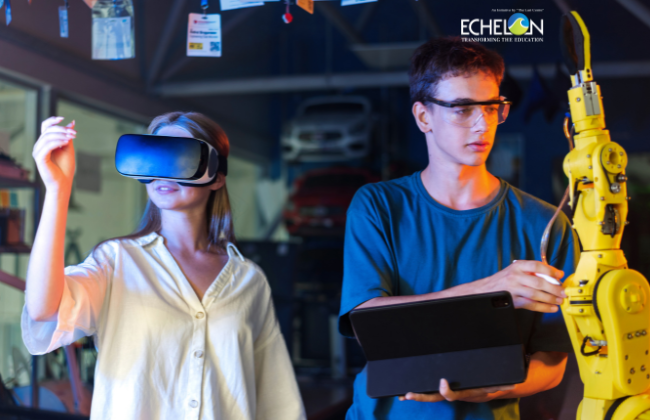
 Introduction: A Changing World for Mechanical Engineers
Picture this: A young mechanical engineering student in the 1980s would spend hours hunched over drafting tables, painstakingly sketching machine parts by hand. Fast forward to today, and that same student can design complex components in minutes using AI-powered software while sipping coffee.
This isn’t science fiction—it’s the reality of modern mechanical engineering. As someone who’s worked in this field for years, I’ve watched with fascination as artificial intelligence, robotics, and automation have transformed our profession. And here’s the best part: These technologies aren’t replacing mechanical engineers. They’re making us more creative, more efficient, and more valuable than ever before.
AI: The Smart Assistant Every Engineer Needs
Let me tell you about my friend Raj, a mechanical engineer at an automotive company. Last year, his team was struggling to design a lighter but stronger car chassis. Traditionally, this would have taken months of trial and error. But with AI-powered generative design software, they explored thousands of design options in days. The result? A breakthrough design that’s now being patented.
How AI is Actually Helping Engineers Like You and Me
-
Designing Made Smarter: Remember spending all night tweaking CAD models? AI now suggests optimizations we might never have considered
-
Machines That Warn Us Before They Break: Vibration sensors and AI can predict failures weeks in advance—no more 3 AM emergency repair calls!
-
Self-Learning Systems: New HVAC systems that adjust to building usage patterns, industrial robots that improve their own efficiency—this is the new normal
Robotics: More Than Just Factory Arms
I’ll never forget the first time I saw a collaborative robot (or “cobot”) in action. Unlike the dangerous, caged robots of old factories, this one was working side-by-side with human technicians, handing them tools like a helpful colleague.
Real-World Robotics Changing Our Field
-
Medical Marvels: Surgical robots allowing for procedures more precise than human hands can manage
-
Space Explorers: The Mars rovers are essentially mechanical engineering projects that landed on another planet
-
Everyday Helpers: From robotic vacuum cleaners to automated farming equipment, our work is touching lives in unexpected ways
Automation: Freeing Us From Repetitive Tasks
There’s a common fear that automation will eliminate engineering jobs. But in my experience? It’s eliminated the boring parts of our jobs so we can focus on what really matters.
Automation Success Stories From the Field
-
The 3D Printing Revolution: I recently visited a small workshop where they printed an entire drone frame overnight—no assembly required
-
Smart Factories: One of my former students now manages a plant where machines text her when they need maintenance
-
Self-Driving Vehicles: While the software gets attention, it’s mechanical engineers designing the robust systems that keep them running safely
The Human Edge: Skills That Will Keep You Irreplaceable
Here’s the truth no one tells students: The most successful mechanical engineers I know aren’t just tech experts—they’re creative problem-solvers who understand both machines and people.
What Really Matters in the AI Age
-
The Ability to Ask “What If?” Machines optimize existing solutions—humans invent entirely new ones
-
Bridging the Gap: Explaining technical concepts to non-engineers is becoming more valuable than ever
-
Lifelong Learning: The engineer who stopped learning CAD in 2010 is struggling today. What will you need to learn next?
Conclusion: Your Future in This Exciting Field
When I started my career, we worried computers might make our skills obsolete. Instead, they made our work more interesting. Today’s technologies are doing the same—handling the repetitive work so we can focus on innovation.
To current students: You’re entering the field at the most exciting time in history.
To fellow professionals: The engineers who embrace these changes will shape our industry’s future.
To everyone else: Next time you see a drone delivery or a smart factory, remember—there’s a mechanical engineer behind it who’s probably having the time of their life.
At EIT Faridabad, we’re preparing the next generation of mechanical engineers for this evolving world. Because the future isn’t about machines replacing humans—it’s about humans and machines working together to build amazing things.
What part of this technological revolution excites you most? Drop your thoughts in the comments—I’d love to hear from fellow engineers and students navigating these changes!
